
Smart Cloud
Accelerate innovations across many business processes, and build and use private, public, and hybrid clouds with IBM Smart Cloud solutions. Ask our experts how.
Provide efficient cloud service to the customers
Enable Us To Provide Efficient Cloud Service To Our Customers
Pragma Edge vision for software as a service has lead to the acquisition of technology assets that enable us to provide efficient cloud service to our customers. Our combined knowledge of technology, business domain, and customized delivery model makes Pragma cloud a pragmatic choice.
Solutions We Offer
- Mobility on cloud
- Business process management
- Optimization
- Decision management
- Fraud detection
- Business Analytics
- Application Integration
- B2B / Managed File Transfer
- eCommerce
- ERP / CRM
Industries We Serve
- Retail
- Manufacturing
- Automotive
- Telecom
- Energy and utilities
- Health care
- Pharmaceuticals
- Insurance
- Logistics
- CPG
IBM Smart Cloud Flexible Service
- Private cloud
- Hybrid cloud
- Pricing Model: Pay as you go, Fixed price and Per user
- Customizable cloud model with optional Business Support
Cloud Options
- Software as a Services
- Platform as a Service
- Managed Cloud
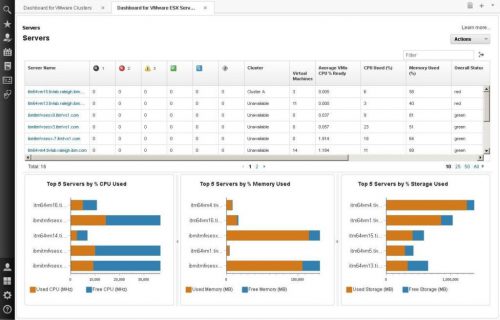
IBM Smart Cloud
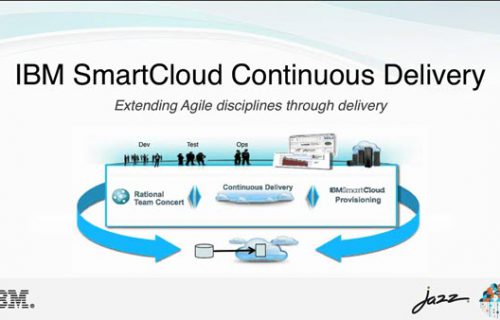
Smart Cloud Delivery
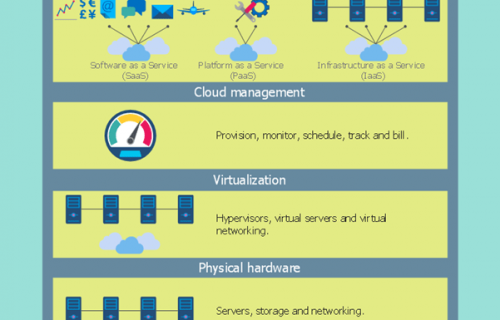
IBM Smart Cloud Flow Chart Example
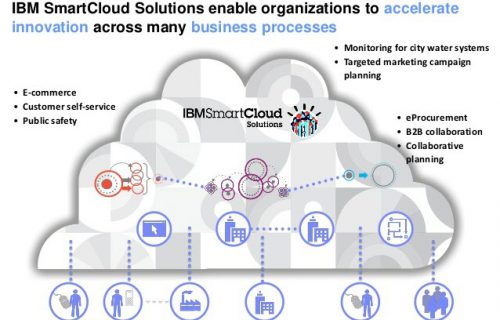
IBM Smart Cloud Solutions
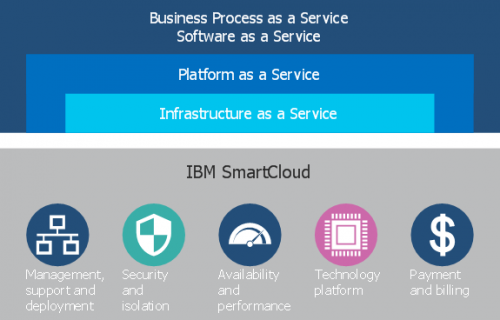
IBM Smart Cloud Options
Apply cloud delivery and modernization to a defined use case.
Assess one application with predictable demand and one with a variable processing window. Compare deployment and operating requirements, including connectivity, recovery and access, before agreeing the cloud service scope.
Define the engagement scope.
Assess the application dependencies, data flows, identity model and operational requirements of the workload. Compare deployment options against availability, connectivity, security and support needs. Plan how the workload will connect to the systems that remain on premises or in another cloud environment.
Validate the operating result.
Rehearse deployment and recovery with representative traffic and data. Confirm backup restoration, monitoring, access controls and the behavior of external integrations. If the work involves migration, define the synchronization, validation and rollback decisions before moving the production workload.
Prepare for a focused working session.
Bring architecture and infrastructure records, usage patterns, dependency lists and operational constraints. Agree the initial workload and target environment, then produce the configuration, migration and support plan for that scope. Responsibility for application operations, platform administration and ongoing cost review should be explicit.
Make the next step specific.
Bring your operating context, priorities and questions. We’ll help identify the relevant next step.
Start a conversation ↗